Pink Flower Watercolor Realistic Illustrations
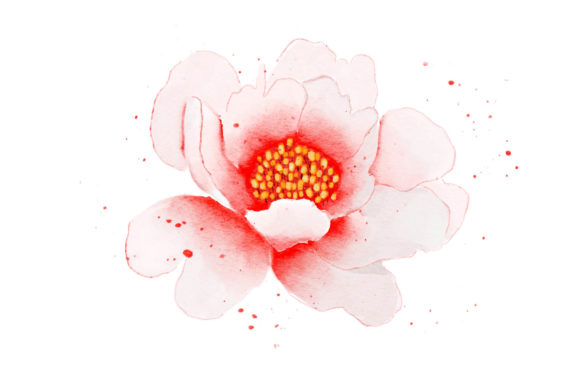
As a digital publisher who has spent over a decade curating visual assets for high-traffic content sites, I know that the difference between a click and a scroll-past often comes down to a single image. When I first encountered Pink Flower Watercolor Realistic, it immediately stood out in my library of design assets. Unlike flat vector graphics or overly stylized cartoons, this piece carries the weight of traditional artistry while remaining perfectly optimized for modern web design. The soft gradients and realistic texture create an editorial mood that feels both sophisticated and approachable, instantly signaling to the reader that the content behind the image is curated with care.
The Editorial Mood and First Impressions
In the world of content marketing, your featured image sets the emotional tone before a user reads a single word. Pink Flower Watercolor Realistic evokes a sense of organic beauty and gentle professionalism. It does not scream for attention like a bold, neon graphic; instead, it invites the reader in. This makes it an ideal choice for niches such as lifestyle blogging, wellness, home decor, creative entrepreneurship, and even certain sectors of affiliate marketing where trust and aesthetic appeal are paramount. The realistic watercolor style bridges the gap between a polished magazine spread and a personal blog post, offering a visual identity that feels authentic rather than mass-produced.
When reviewing this asset for a real publishing workflow, I considered how it would perform against the clutter of a standard news feed. The soft pinks and natural shading provide a calming contrast to the harsh whites and blacks of typical website interfaces. For bloggers and small business owners looking to establish a brand identity that feels human and relatable, this illustration serves as a powerful anchor. It suggests that the content within is thoughtful, detailed, and valuable.
Real-World Publishing Applications
The versatility of Pink Flower Watercolor Realistic extends far beyond a simple blog header. In my own workflow, I have utilized similar high-quality illustrations across multiple touchpoints in the customer journey. Here is how you can integrate this graphic design asset into your digital ecosystem:
- Blog Featured Images: Use it as the primary hero image for articles discussing growth, beauty, self-care, or seasonal topics. Its realism ensures it looks professional even on large desktop screens.
- Pinterest Pins and Social Media Graphics: The vertical composition potential of floral designs makes them perfect for Pinterest. Pair this illustration with a clean sans-serif font to drive traffic back to your site.
- Digital Products and Lead Magnets: If you are creating a digital guide, eBook cover, or printable design, this asset adds immediate perceived value. It transforms a simple PDF into a premium-looking resource.
- Email Newsletter Headers: A subtle floral element at the top of your newsletter can increase open rates by reinforcing your brand identity without overwhelming the text.
- Affiliate Content Visuals: When promoting products related to home goods, fashion, or art supplies, this image provides a beautiful backdrop that doesn't distract from the call-to-action buttons.
- Canva Templates: Incorporate this into your custom Canva templates to offer a consistent look for your social media posts and stories.
Boosting Content Performance Through Visual Hierarchy
One of the most critical aspects of web design is visual hierarchy. A strong image helps guide the eye through the page, establishing where the reader should look first. Pink Flower Watercolor Realistic excels here because its organic shapes naturally draw attention without competing aggressively with typography. When placed correctly, it creates a clearer visual path, leading to better click-through potential on your internal links and affiliate offers.
Furthermore, consistency is key to building reader trust. By using high-quality illustrations like this one across your category thumbnails, downloadable resources, and website banners, you create a cohesive brand experience. Users subconsciously associate this level of polish with authority. In a crowded digital marketplace, a professional-looking content page signals that the information provided is reliable and well-researched. This asset supports that narrative by elevating the overall presentation of your site.
Strategic Placement and Design Considerations
While Pink Flower Watercolor Realistic is a robust asset, it requires strategic placement to maximize its impact. It works exceptionally well as a hero image, an editorial accent in long-form content, or a decorative element in a media kit. However, there are scenarios where caution is advised. Avoid using this specific illustration as a background for text-heavy sections unless you apply a significant overlay, as the intricate details might reduce readability. Similarly, on very small mobile thumbnails, ensure the flower remains distinct enough to be recognizable when scaled down.
For serious corporate niches or technical B2B websites, this playful and feminine aesthetic may feel out of place. It is best suited for brands that embrace creativity, warmth, and a modern design sensibility. Always preview the asset inside your actual blog layout before committing. Test it with different font pairings—serif fonts often complement the classic nature of watercolors, while script fonts can enhance the artistic vibe. Conversely, a bold display font can create a striking modern contrast.
Technical Publisher Notes for Implementation
To ensure this graphic design asset performs optimally on your site, follow these practical steps:
- File Optimization: Before uploading, compress the image properly to balance quality with web performance. Large files slow down load times, which can hurt SEO and user retention.
- Licensing Verification: Always confirm the commercial license terms. Ensure you have the right to use Pink Flower Watercolor Realistic on monetized websites, affiliate pages, and paid digital downloads. Never assume a free download includes commercial rights.
- Contrast Testing: Check how the pink tones interact with your website's color palette. Ensure there is sufficient contrast for accessibility standards.
- Cross-Device Preview: View the image on both desktop and mobile devices. What looks stunning on a 27-inch monitor might appear muddy on a smartphone screen if not optimized.
- Black and White Check: Occasionally, images need to be converted for print materials or grayscale themes. Verify that the detail holds up even without color.
In conclusion, Pink Flower Watercolor Realistic is more than just a pretty picture; it is a functional tool for digital publishers aiming to elevate their content. Whether you are designing a lead magnet, crafting a Pinterest pin, or refreshing your website header, this illustration offers the perfect blend of artistic charm and professional utility. By integrating it thoughtfully into your content strategy, you can enhance your brand identity, improve visual hierarchy, and ultimately build a stronger connection with your audience. In the competitive landscape of online publishing, the right creative design asset can make all the difference.