Rainbow Watercolor Embroidery Design Review
As a designer who has spent years curating assets for my own craft business and advising fellow makers, I approach every new machine embroidery design with a critical eye. We all love the allure of a vibrant, artistic look, but the transition from a digital preview to a stitched reality is where many projects stumble. Today, I am putting Rainbow Watercolor through its paces. This isn't just about whether it looks pretty on a screen; it is about how it performs when you load the embroidery file, pull the hoop tight, and hit start on your machine.
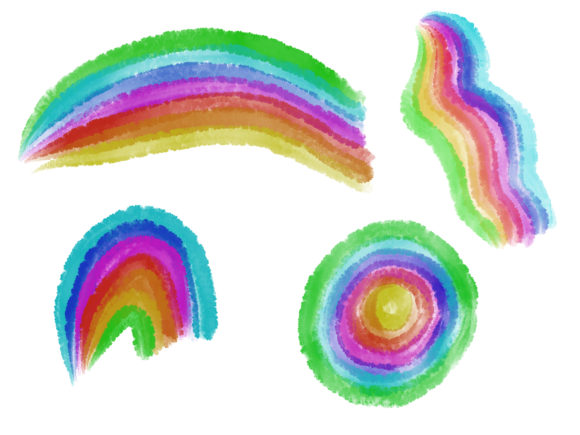
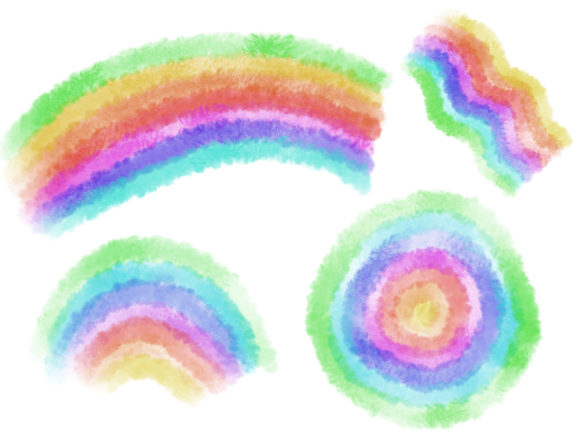
When I first opened the preview for Rainbow Watercolor, the immediate impression was one of soft energy. The aesthetic leans heavily into that trendy watercolor wash style, blending hues in a way that suggests fluidity rather than rigid geometric blocks. For an Etsy seller or someone running a boutique handmade shop, this kind of visual personality is gold. It feels modern, slightly whimsical, and instantly recognizable as a piece of art rather than a standard logo. However, the real test comes when we imagine this design on actual fabric.
Visual Impact on Custom Apparel and Gifts
Let's talk about a specific scenario: You are preparing a batch of custom tote bags for a local craft fair or perhaps creating personalized gifts for a baby shower. These items need to pop against a neutral background like canvas or cotton twill. Rainbow Watercolor excels here because the gradient nature of the design mimics the way paint bleeds into paper. When translated into thread, assuming the stitch density is managed well, it creates a sense of depth that flat colors often lack.
I can see this working beautifully on a heavyweight sweatshirt. The bulk of the garment provides a stable base, allowing the fill stitch to sit comfortably without sinking too deeply into the loops of the knit. On a tote bag design, the texture of the canvas actually complements the "watercolor" effect, adding a tactile dimension that makes the finished product feel more organic. If you are selling these as personalized gifts, the emotional resonance of a rainbow theme combined with an artistic style usually drives high engagement. Customers perceive it as thoughtful and unique, which increases the perceived value of your handmade product.
Navigating Fabric Texture and Hoop Size
While the potential is high, we must address the practical limitations. One area where Rainbow Watercolor requires careful attention is the choice of hoop size. Because the design relies on the interplay of multiple colors to create that washed-out look, shrinking it down too much can cause color bleeding in a negative way. Instead of a smooth gradient, you might get muddy patches where the threads overlap too tightly.
If you are considering using this for caps or curved surfaces, proceed with caution. The curvature of a hat panel can distort the flow of the watercolor effect, making the lines look jagged rather than fluid. Similarly, on thin or stretchy fabrics like jersey, the tension required to hold the thread colors in place might cause puckering. I always recommend testing the design on scrap fabric first, especially if you plan to use it on delicate materials. A proper stabilizer is non-negotiable here; without it, the intricate transitions between colors could warp the fabric.
Stitch Clarity and Color Contrast
The success of a watercolor-style design hinges entirely on stitch clarity. In a traditional satin stitch border, sharp edges are expected. But in Rainbow Watercolor, the goal is softness. This means the running stitch and fill patterns must be dense enough to cover the backing but loose enough to allow light to pass through slightly, creating that translucent illusion.
When selecting thread, avoid neon shades unless you have a very specific dark background in mind. Pastels work best for the authentic watercolor look. If you are planning to sell these as commercial embroidery items, consider how the design looks on both light and dark fabric backgrounds. A rainbow design on a black hoodie will look bold and electric, while the same design on a cream pillow cover will feel gentle and nursery-appropriate. Always check your digital embroidery file settings to ensure the underlay is sufficient to support the top layers without showing the fabric color through too aggressively.
Business Viability for Small Shop Owners
For the small business owner looking to expand their catalog, designs like Rainbow Watercolor offer a versatile entry point. They fit seamlessly into categories like baby embroidery, holiday embroidery, and general home decor. Imagine this design on a kitchen towel or a throw pillow cover—it adds a splash of joy to everyday items without being overwhelming.
However, as a reviewer, I must emphasize the importance of licensing. Since this design falls under the category of Freebies, you need to verify the terms of use before attaching it to any item you intend to sell. Many free designs are strictly for personal use only. If you plan to create custom apparel for clients or list finished products on your online store, you must confirm that the license allows for commercial application. Using a design without the proper rights can damage your brand reputation and lead to legal issues.
Furthermore, think about your brand consistency. Does the playful, artistic vibe of Rainbow Watercolor align with your existing product line? If your shop specializes in minimalist, monochrome goods, this design might clash. But if your aesthetic is colorful, eclectic, or geared toward families and children, it is a perfect addition to your design assets.
Final Designer Notes and Recommendations
To wrap up my evaluation, Rainbow Watercolor is a strong contender for those looking to add artistic flair to their stitching projects. It performs exceptionally well on medium-to-heavyweight fabrics where the stitch definition can be preserved. Before committing to a full production run, I strongly advise you to:
- Test on Scrap Fabric: Run a sample to check for puckering and color blending issues.
- Review Stitch Density: Ensure the software settings aren't over-stitching, which can ruin the watercolor effect.
- Check Licensing: Confirm you are allowed to sell items made with this embroidery file.
- Mockup Variations: Create printable mockups to visualize the design on different products before purchasing thread.
- Inspect Details: Look closely at the smallest elements to ensure they stitch out clearly on your specific machine.
Ultimately, the value of Rainbow Watercolor lies in its ability to transform simple textiles into conversation-starting pieces. Whether you are making a personalized gift for a friend or stocking your craft business shelves, this design offers a fresh take on a classic motif. Just remember that the magic happens not just in the file itself, but in how skillfully you execute the stitching. With the right preparation and fabric choices, this design can become a standout feature in your portfolio.