Reviewing 17 Watercolor Vegetables Clip Art
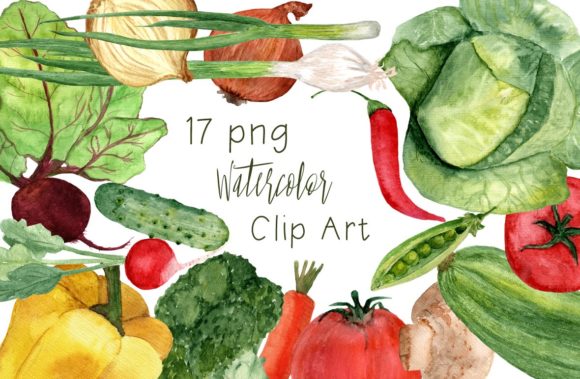
As a designer who has spent years translating digital art into tangible thread, I approach every new asset with a mix of excitement and skepticism. When I first opened the 17 Watercolor Vegetables Clip Art collection, my initial thought was about how these soft, painterly shapes would translate to the rigid structure of a machine embroidery design. The mood here is undeniably fresh, organic, and slightly whimsical. These aren't hyper-realistic botanical studies; they are stylized Illustrations that capture the essence of a garden harvest with loose edges and blended hues. For an embroidery project, this aesthetic suggests a specific direction: think kitchen linens, nursery decor, or boutique apparel rather than corporate branding.
The First Stitch: Visual Personality and Design Intent
The visual personality of the 17 Watercolor Vegetables Clip Art is defined by its softness. In the digital realm, watercolor effects rely on gradients and transparency. In the world of thread, we have to work harder to mimic that look without creating a muddy mess. The shapes in this set—carrots, peppers, leafy greens—are bold enough to hold their form but delicate enough to require careful digitization. If you are planning to use these as a base for a custom embroidered tote bag or a personalized apron, the challenge lies in maintaining that "hand-painted" feel while ensuring the stitch density holds up under wear and tear.
I immediately envisioned these designs on a heavy canvas tote bag for a local farmer's market booth. The rustic charm of the vegetables pairs perfectly with natural fibers. However, if you were to attempt this on a thin, stretchy t-shirt, the outcome could be disastrous without the right stabilizer. The loose nature of the watercolor style means there are fewer hard lines to anchor the fabric, making the choice of backing material critical. This is where practical judgment separates a professional finish from a craft fair reject.
Real-World Application: From Digital File to Finished Product
Let's talk about a real-life scenario. Imagine you are an Etsy seller preparing a holiday gift line featuring baby items. You want to create a personalized bib or a soft cotton pillow cover using the 17 Watercolor Vegetables Clip Art. The pastel tones of the vegetables fit the nursery aesthetic beautifully. But here is the catch: when you convert these illustrations into a machine embroidery design, you must decide between a satin stitch border and a fill stitch interior.
For the vegetable shapes, a dense fill stitch might kill the airy, watercolor vibe. Instead, a looser running stitch or a specialized texture fill could better replicate the brushstroke effect. If you are selling these as a handmade product, your customers are buying the story and the aesthetic. They expect the finished product to look like it belongs in a curated home. If the stitching looks too stiff or industrial, it breaks the illusion. Conversely, if the stitch count is too low, the design may look flimsy after the first wash.
This collection also shines in the realm of custom apparel, specifically sweatshirts or denim jackets. A large-scale patch featuring a cluster of these vegetables on the back of a hoodie creates a statement piece. The contrast of the colorful veggies against a dark grey or navy background can be striking, provided you select thread colors that pop. However, remember that watercolor styles often rely on subtle color blending. On a dark fabric, you may need to add a white underlay to ensure the lighter shades of green and orange remain visible.
Navigating Fabric Textures and Hoop Sizes
One area where caution is required is with textured fabrics. If you are embroidering these designs on a thick wool blanket or a rough linen tea towel, the fine details of the watercolor edges might get lost in the weave of the fabric. The 17 Watercolor Vegetables Clip Art works best on smooth to medium-texture surfaces where the needle can penetrate cleanly. Additionally, consider your hoop size. While some of the individual vegetable icons are small, combining them into a bouquet or a garden scene requires a larger hoop to prevent puckering.
If you are working on curved surfaces like caps or hats, the distortion factor becomes real. The round shape of a tomato or the curve of a pepper might warp if not adjusted during the digitizing process. Always test the design on scrap fabric first. Check how the design behaves on a cap mockup before committing to a full run of commercial embroidery. This step is non-negotiable for any serious craft business owner.
Professional Considerations for Small Business Owners
For the digital product sellers and creative entrepreneurs looking to license or sell these assets, understanding the limitations is key. The 17 Watercolor Vegetables Clip Art offers a unique angle for boutique branding, but it demands skill to execute well. When creating printable mockups for your shop, ensure you show the design on multiple fabric types so buyers understand the potential variations. Transparency builds customer trust.
Think about the value proposition. A high-quality embroidered patch featuring these vegetables adds significant perceived value to a basic tote bag or backpack. It transforms a generic item into a collectible piece. However, this only works if the execution is flawless. Inspect small details closely. Are the stems too thin? Will the leaves tangle during stitching? Review the stitch density to ensure the design doesn't pull the fabric out of shape. Using the proper stabilizer is your best friend here; do not skimp on it just to save a few cents.
Furthermore, always confirm licensing before selling finished items or digital products derived from these illustrations. Whether you are creating a holiday embroidery kit or a line of personalized gifts, legal clarity protects your business. If you plan to offer these as a digital embroidery file download, make sure the conversion quality matches the original art. Buyers paying for a digital file expect a ready-to-stitch result that honors the original artistic intent.
Final Thoughts on Commercial Viability
In conclusion, the 17 Watercolor Vegetables Clip Art is a versatile asset for designers willing to put in the technical work. It excels in projects that prioritize charm and character over precision, such as baby embroidery, kitchen textiles, and casual wear. By carefully selecting thread colors, testing on appropriate fabrics, and respecting the nuances of the watercolor style, you can create finished products that stand out in a crowded market. Whether you are a hobbyist making a one-off gift or a small shop owner scaling your inventory, this collection offers a fresh palette for your next embroidery project. Just remember: the magic happens not just in the design, but in how thoughtfully you bring it to life with thread.