Watercolor Summer Whale Print Review
As a designer who has spent years translating digital art into tangible thread, I approach every new machine embroidery design with a mix of excitement and skepticism. The gap between a beautiful screen image and a successful stitched project can be wide. When I first opened the Watercolor Summer Whale Print, my immediate reaction was one of visual delight. It captures that specific, dreamy aesthetic found in modern nursery decor and boutique apparel. However, the real test isn't how it looks on a monitor; it is how it translates through the needle, the stabilizer, and onto the fabric.
This piece falls squarely into the Illustrations category, which often presents unique challenges for embroidery digitizing. Unlike bold logos or geometric patterns, watercolor styles rely on soft gradients, bleeding edges, and subtle color transitions. My goal in this review is to walk you through exactly how I would evaluate this design for a real-world project, whether you are an Etsy seller building a brand or a hobbyist creating a personalized gift.
The Visual Mood and Design Intent
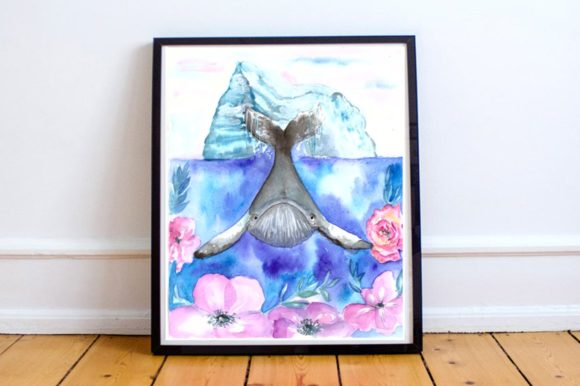
The Watercolor Summer Whale Print exudes a sense of gentle movement and coastal nostalgia. The whale shape is stylized rather than anatomical, prioritizing flow over rigidity. This makes it an excellent candidate for projects where softness is key. In a digital context, the "watercolor" effect suggests a lack of hard lines. In embroidery, achieving this requires a very specific approach to stitch density and thread colors.
If I were using this as a tote bag design for a summer craft fair, the whimsical nature of the whale would immediately signal a handmade, artisanal quality. Customers browsing a small shop product line often look for designs that feel personal and not mass-produced. This illustration fits that need perfectly. It avoids the harsh, blocky look of cheap commercial embroidery and instead promises a softer, more curated finish. For a baby shower gift or a nursery item, the theme is universally appealing, making it a safe yet stylish choice for a personalized gift.
Translating Watercolor to Stitch: The Technical Reality
Here is where the rubber meets the road. A watercolor effect in an embroidery file usually relies heavily on fill stitch techniques to mimic blending. When I load the Watercolor Summer Whale Print into my software, I am immediately looking at the stitch density. If the density is too high, the fabric will pucker, destroying the fluid illusion. If it is too low, the thread will show gaps, ruining the gradient effect.
I always recommend testing any complex illustration on scrap fabric first. For this specific design, I would use a medium-weight cotton or linen. These fabrics hold their structure well under the tension of the hoop without distorting the delicate shapes. You must also consider your stabilizer. A tear-away might not provide enough support for the intricate areas of the whale's tail or fins. A cut-away or a heavy-duty wash-away is likely necessary to ensure the finished product maintains its shape after washing.
When considering thread colors, the magic of this design lies in the palette. To replicate the watercolor look, you cannot simply pick one shade of blue. You will likely need multiple variegated threads or a sequence of closely related blues, teals, and perhaps a touch of coral or sand. The transition between these colors needs to be seamless. If the digitizing is poor, you might see harsh lines where one color ends and another begins, breaking the illusion of a painted surface.
Best Use Cases for Your Craft Business
So, where does this design shine? I see three primary applications where the Watercolor Summer Whale Print would elevate a business.
- Custom Apparel: On a high-quality organic cotton sweatshirt, this design would look premium. Place it centered on the chest or large on the back. The soft aesthetic pairs beautifully with the texture of fleece or heavy jersey. It works exceptionally well as sweatshirt embroidery for boutique brands focusing on eco-friendly fashion.
- Home Goods: Think pillow covers, tea towels, or aprons. The nautical theme is timeless in home decor. A set of kitchen towels featuring this whale could be a bestseller during the spring and summer seasons. The design is large enough to be a focal point but detailed enough to add value.
- Baby Embroidery: Onesies, bibs, and burp cloths are perfect canvases. Parents love unique, artistic designs for their children. Because the whale is stylized and friendly, it avoids being too childish while still fitting the nursery vibe. This is a strong asset for any small shop product targeting new parents.
Potential Pitfalls and Where to Be Careful
Despite its beauty, the Watercolor Summer Whale Print is not a universal solution. There are scenarios where this design might struggle, and knowing them will save you time and money.
First, avoid using this on highly textured fabrics like denim or thick canvas unless you are willing to accept a slightly distorted look. The texture of the fabric can interfere with the smooth gradient effect you are trying to achieve. Second, be cautious with stretchy materials like spandex blends. The tension required to stitch the detailed fill areas can cause the fabric to warp, leading to a wavy, uneven finish.
Dark fabrics present another challenge. A watercolor effect typically relies on light-to-medium tones to show depth. Placing this design on black or navy fabric requires significant adjustments to the thread selection. You may need to add a white underlay or switch to a satin stitch border to define the edges, which changes the overall aesthetic from "soft watercolor" to "defined graphic."
Furthermore, do not attempt this design on curved surfaces like caps or hats unless the digitizing specifically accounts for the curvature. The long, sweeping lines of the whale's body could bunch up or miss stitches on a structured cap panel. Always check if the hoop size matches your intended garment area. If the design is too large for your hoop, you will have to re-hoop mid-stitch, risking registration errors that ruin the alignment of the watercolor layers.
Practical Designer Notes for Success
To get the most out of this machine embroidery design, follow these practical steps before committing to a client order or a batch of inventory.
- Test on Scrap Fabric: Never skip this step. Stitch a sample on the exact fabric and stabilizer you plan to use. Check for puckering and color blending.
- Review Color Contrast: Ensure the thread colors stand out against the background fabric. Sometimes a design looks great on a white mockup but disappears on a heather gray shirt.
- Inspect Small Details: Zoom in on the whale's eye and tail fin. Are there tiny running stitches that might break? If so, simplify them or remove them entirely for durability.
- Check Licensing: Before selling finished items or offering this as a digital embroidery file to others, confirm the license terms. Ensure you have the right to use it for commercial embroidery projects.
- Create Mockups: Use printable mockups to visualize the final product. This helps you sell the idea to clients or showcase it effectively on your Etsy listing.
Final Verdict on Value and Appeal
In the competitive world of handmade goods, visual appeal is everything. The Watercolor Summer Whale Print offers a distinct advantage because it feels artistic and hand-crafted. It elevates a simple tote bag or t-shirt into a piece of wearable art. For the Etsy seller or creative entrepreneur, having access to such high-quality design assets allows you to differentiate your brand from competitors using generic clip art.
However, success depends on execution. This is not a "load and go" design for beginners. It demands attention to detail regarding stabilizers, thread choices, and fabric selection. If you take the time to respect the nuances of the watercolor style, the result will be a stunning finished product that builds customer trust and encourages repeat business. Whether used for a holiday gift, a boutique collection, or a custom commission, this design has the potential to become a signature element in your portfolio.
Remember, the best embroidery combines technical precision with artistic vision. The Watercolor Summer Whale Print provides the vision; it is up to you to apply the technique. With careful planning and testing, this illustration can transform ordinary fabric into extraordinary memories.