Dragonfly Watercolor Vector Illustration Review
As a designer who has spent years translating digital art into tangible thread, I approach every new asset with a critical eye. When I first opened the Dragonfly Watercolor Vector Illustration, my immediate reaction wasn't just about the aesthetic appeal, but about how that specific watercolor mood would survive the transition from screen to fabric. The design captures a soft, ethereal quality that feels perfect for spring and summer collections, but in the world of machine embroidery, softness is often the enemy of clarity. This review breaks down exactly how this illustration performs when you move beyond the mockup and start stitching.
The First Impression: Mood and Translation
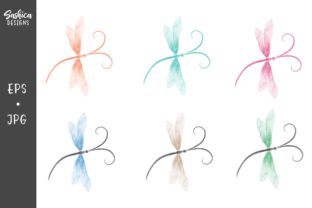
The Dragonfly Watercolor Vector Illustration presents a delicate balance between organic flow and structural definition. Visually, it leans heavily into the dreamy, blended edges characteristic of watercolor painting. For an Etsy seller or boutique owner looking to create a cohesive brand identity around nature-inspired themes, this is a strong contender. However, before committing to a production run, I always ask myself: will the stitch density hold up? Watercolor effects rely on gradients and transparency, which are notoriously difficult to replicate with standard fill stitch or satin stitch without careful digitizing adjustments.
In its current vector form, the dragonfly's wings show beautiful gradations. If you plan to use this as a machine embroidery design, you must ensure the digitizer has converted those gradients into manageable stitch blocks rather than trying to mimic every pixel. The result should be a textured representation of the watercolor style, not a muddy mess of overlapping threads.
Real-World Application: From Tote Bags to Nursery Decor
Let's talk about a specific scenario. Imagine you are preparing a line of custom embroidered tote bags for a local craft fair. You want something that stands out against natural canvas. The Dragonfly Watercolor Vector Illustration works exceptionally well here because the intricate wing details provide enough visual interest to draw the eye, while the overall shape remains recognizable from a distance. On a sturdy cotton tote, the stitch density can be slightly higher to capture the color blending without distorting the fabric.
Now, consider a different use case: a baby onesie or a nursery pillow cover. Here, the stakes are higher regarding comfort and safety. The soft aesthetic of the dragonfly fits the theme perfectly, but you must be cautious with the hoop size. If the design is too large for a small garment, the stabilizer might bunch up, creating an uncomfortable ridge against a baby's skin. In these instances, I recommend testing the embroidery file on scrap fabric first to ensure the backing doesn't leave a harsh texture. The design's fluid lines make it ideal for personalized gifts, where the sentiment of growth and transformation resonates with new parents.
For custom apparel like sweatshirts, the design offers a great focal point for the chest or sleeve. However, because watercolor styles often imply lightness, placing this on a heavy, dark fleece requires a strategic choice of thread colors. A white underlay or a light-colored block behind the dragonfly might be necessary to make the watercolor effect pop against the dark background. Without this contrast, the subtle shading could get lost in the texture of the knit fabric.
Navigating Challenges: Fabric and Detail Limits
While the Dragonfly Watercolor Vector Illustration is versatile, it is not a one-size-fits-all solution. There are specific situations where this design requires extra caution. First, avoid using it on highly textured fabrics like boucle or thick wool. The uneven surface can disrupt the smooth flow of the stitches, making the watercolor gradient look jagged and inconsistent. Similarly, on stretchy fabrics like jersey, the tension required to pull the needle through can distort the delicate wing shapes unless you use a high-quality stabilizer and a tear-away option that supports the elasticity.
Another critical area is small hoop sizes. If you are attempting to fit this design onto a cap or a small patch, the fine details of the dragonfly's body and wing veins may become indistinguishable. In tight spaces, the running stitch outlines might merge, losing the airy feel that defines the watercolor style. It is crucial to check the minimum recommended dimensions before scaling down. If the design becomes too small, it is better to simplify the artwork or choose a bolder, more graphic version of the dragonfly.
Furthermore, products that require frequent washing, such as kitchen towels or aprons, need robust stitching. The delicate nature of the watercolor effect means that if the stitch density is too low, the threads might snag or fray over time. Ensure that the digitization includes sufficient underlay to lock the top stitches in place. For commercial embroidery projects involving high-volume production, consistency is key; test multiple runs to ensure the color blending remains uniform across all items.
Practical Designer Notes for Success
To truly maximize the potential of the Dragonfly Watercolor Vector Illustration, follow these practical steps before launching your project:
- Test on Scrap Fabric: Never skip this step. Stitch the design on the exact fabric you intend to sell. Check for puckering, especially in areas with dense color transitions.
- Review Thread Color Contrast: Compare the design on both light and dark backgrounds. The watercolor effect relies on contrast; what looks good on white linen might disappear on charcoal gray.
- Inspect Small Details: Zoom in on the finished stitch-out. Are the wing tips sharp? Is the body distinct? If the details are blurry, adjust the digitizing settings or increase the size.
- Check Licensing: Before selling any finished product or using the design for client work, confirm the license terms. Some digital product sellers restrict commercial use or limit the number of items you can produce.
- Create Printable Mockups: Use printable mockups to visualize how the design sits on various products. This helps in setting customer expectations and creating professional listings.
- Verify Hoop Size Compatibility: Ensure your machine's hoop can accommodate the design without forcing it. Stretching the design to fit a smaller hoop will ruin the proportions.
Final Verdict: A Valuable Asset for the Right Maker
The Dragonfly Watercolor Vector Illustration is a sophisticated addition to any craft business library, provided you respect its nuances. It elevates a simple handmade product into a piece of wearable art, appealing to customers who value unique, nature-inspired aesthetics. Whether you are creating holiday embroidery gifts, boutique branding elements, or personalized gifts, this design adds a layer of professionalism and artistic flair.
However, success lies in the execution. By carefully selecting your fabric, stabilizer, and thread palette, you can translate the soft beauty of the watercolor vector into a durable, stunning embroidered patch or garment. As a designer, I find that the best results come from treating the embroidery file not just as a static image, but as a dynamic element that interacts with the physical materials. With the right preparation, this dragonfly will flutter beautifully across your next collection, earning trust and engagement from your buyers.