Sky Watercolor Illustration: A Designer Review
As a designer who has spent years translating digital art into tangible thread, I approach every new machine embroidery design with a mix of excitement and skepticism. The gap between a pretty pixelated image and a successful stitched product is often wider than it appears. When I first opened the file for Sky Watercolor Illustration, my immediate goal was to determine if this piece could survive the transition from screen to fabric without losing its soul. This review isn't just about whether the file works; it is about how it performs in the real world of small business production, custom orders, and handmade gifting.
The First Impression: Mood and Visual Personality
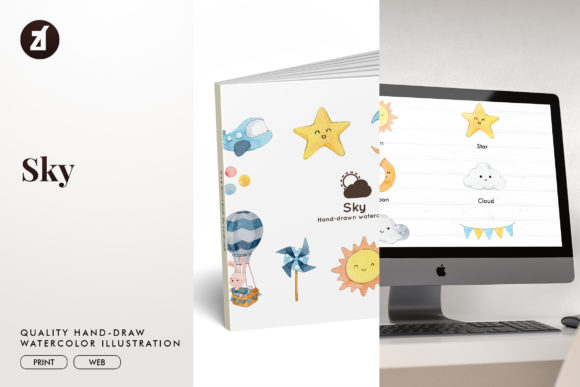
Sky Watercolor Illustration immediately evokes a sense of calm and ethereal beauty. Unlike bold, graphic logos or heavy traditional motifs, this design leans heavily on soft gradients and fluid shapes that mimic the look of watercolor paint bleeding into paper. In the context of Illustrations, this style is particularly tricky for embroidery because machines do not naturally "bleed" color like a brush does. Instead, they rely on precise fill stitch and running stitch patterns to create the illusion of softness.
Visually, the layout feels organic and unstructured, which is perfect for modern aesthetics but requires careful planning. The shape suggests movement, making it an ideal candidate for custom apparel where you want the design to feel integrated rather than stamped on. However, the lack of hard outlines means the success of the project depends entirely on how well the thread colors blend against the chosen fabric. If you are looking for a tote bag design that stands out in a boutique setting or a sweatshirt embroidery piece that adds a touch of artistic flair, this illustration offers a unique visual personality that mass-market designs often lack.
Real-World Application: From Totes to Nursery Decor
To truly test the viability of Sky Watercolor Illustration, I imagined a specific scenario: creating a line of premium canvas tote bags for a local craft fair. The goal was to produce a handmade product that felt artisanal yet professional. In this context, the soft, airy nature of the design shines. On a natural, unbleached canvas, the pastel tones inherent in a sky-themed watercolor would likely pop with a gentle elegance, appealing to customers looking for something softer than typical loud graphics.
Beyond totes, this design translates beautifully to baby embroidery. Imagine a personalized blanket or a pillow cover for a nursery. The dreamy quality of the sky motif fits perfectly with themes of growth, dreams, and serenity. For an Etsy seller targeting parents, this embroidery file offers a high-value aesthetic that elevates a simple cotton item into a cherished keepsake. Similarly, for holiday embroidery projects, such as gift tags or decorative embroidered patches, the whimsical nature of the illustration adds a layer of thoughtfulness that generic seasonal designs cannot match.
However, the application changes when considering commercial embroidery for larger branding efforts. While beautiful, the subtle details might get lost on dark fabrics or highly textured materials. It is best suited for light-colored, smooth surfaces where the nuance of the watercolor effect can be appreciated. If you are producing small shop products like aprons or tea towels, this design acts as a sophisticated focal point that signals quality craftsmanship.
Navigating Challenges: Fabric, Density, and Hoop Size
Despite its beauty, Sky Watercolor Illustration demands respect for the mechanics of embroidery. One of the primary concerns with watercolor-style designs is stitch density. To achieve that soft gradient look, the machine often needs to layer stitches closely. If the density is too high, you risk puckering the fabric, especially on delicate items like baby clothes or thin summer tops. Conversely, if the density is too low, the design may look sparse and fail to convey the intended mood.
Fabric texture plays a critical role here. On a thick, nubby wool sweater, the fine details of the sky clouds or water washes might get swallowed by the weave. This design thrives on smoother substrates like cotton blends, linen, or stable knits. Additionally, consider the hoop size. Because watercolor illustrations often have sprawling, organic edges, they may require a larger hoop to capture the full composition without cutting off essential elements. Always verify the dimensions before committing to a finished product.
Another area requiring caution is the use of stabilizer. With a design that relies on fill stitches to create form, a proper backing is non-negotiable. Without adequate support, the tension of the needle pulling through multiple layers of thread can distort the soft curves of the illustration. For stretchy fabrics, a tear-away or cut-away stabilizer tailored to the material's weight is essential to maintain the integrity of the digital embroidery file once it is stitched.
Strategic Design Notes for Professional Results
If you decide to integrate Sky Watercolor Illustration into your workflow, there are several practical steps to ensure a flawless outcome. First, always test the design on scrap fabric that matches your final product. This allows you to check thread color contrast and see how the machine renders the gradients in real life. What looks vibrant on a monitor might appear muddy on fabric due to thread sheen or absorption.
Review the thread colors carefully. Watercolor effects often rely on blending similar shades. Ensure your machine has enough thread cones available to execute these transitions smoothly without constant re-threading, which can disrupt the flow of the design. Also, inspect small details in the preview. Are there tiny areas where the running stitch might break? Sometimes, intricate corners need manual adjustment in your embroidery software to prevent thread breaks during production.
For those selling finished goods, consider creating printable mockups to showcase how the design looks on various items. This helps potential buyers visualize the final result and builds customer trust. Furthermore, confirm the licensing terms before using this asset for commercial embroidery. While many design assets allow personal use, selling personalized gifts or custom apparel often requires a commercial license. Do not assume; check the documentation provided with the embroidery file to protect your craft business from legal issues.
Final Verdict: A Delicate Asset for Thoughtful Makers
Sky Watercolor Illustration is not a one-size-fits-all solution, but for the right project, it is a gem. It brings a level of sophistication and emotional resonance that standard geometric or text-based designs cannot achieve. It is perfect for makers who prioritize aesthetics and are willing to put in the extra effort regarding fabric selection, stabilizer use, and testing.
Whether you are decorating a cap for a wedding party, creating a unique holiday gift, or stocking your online store with high-end small shop merchandise, this design has the potential to elevate your brand. It speaks to a customer base that values artistry and detail. By respecting the technical limitations of the medium and leveraging the strengths of the illustration, you can turn a digital file into a stunning, tactile reality. Just remember: the magic happens not just in the file, but in the hands of the designer who understands how to bring it to life.