Red and Lemon Watercolor Floral Clipart Review
As a designer who has spent years translating digital art into tangible thread, I approach every new asset with a critical eye. When I first opened the file for Red and Lemon Watercolor Floral Clipart, my immediate reaction was one of cautious optimism. The vibrant contrast between the deep reds and zesty lemons is visually striking on a screen, but the real test lies in how these elements translate through a needle. This piece falls squarely into the Illustrations category, promising a soft, artistic aesthetic that many crafters crave. However, moving from a flat image to a stitched reality requires careful planning, especially when dealing with watercolor textures.
The First Impression: Mood and Visual Personality
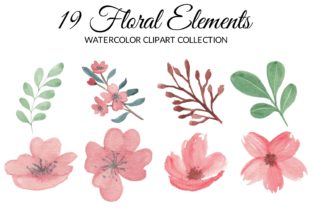
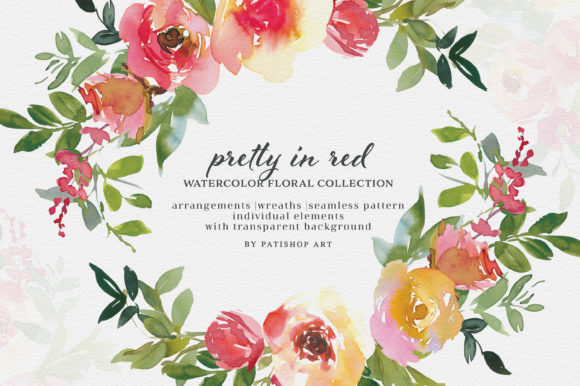
The visual personality of Red and Lemon Watercolor Floral Clipart is undeniably cheerful and summery. The watercolor effect suggests softness, blending, and organic edges, which creates a dreamy mood perfect for spring collections or brightening up a nursery. In a digital preview, the colors bleed together beautifully, mimicking the look of wet-on-wet painting. For an Etsy seller or small shop owner looking to create a cohesive brand identity, this design offers a distinct "handmade" feel without requiring hours of manual painting.
However, as someone who evaluates designs for real project use, I immediately began thinking about the translation process. Watercolor effects are notoriously difficult to replicate in embroidery because thread does not blend like paint. To achieve this look, the machine embroidery design must rely heavily on specific techniques like gradient fill stitches or layered satin stitches to mimic the soft transitions. If the digitizing is poor, the result can look muddy or pixelated rather than fluid and artistic.
A Real-World Scenario: The Custom Tote Bag Project
Let’s imagine a practical scenario where I am preparing a custom embroidered tote bag for a local boutique client. They want a limited-run collection featuring bold, botanical themes. I decide to use Red and Lemon Watercolor Floral Clipart as the central motif on a natural canvas tote. The goal is to create a tote bag design that feels premium yet accessible.
In this context, the design shines. The large floral shapes provide enough surface area for the thread to show off its texture, and the red and lemon palette pops beautifully against the neutral beige of the canvas. When I visualize the finished product, I can see customers picking it up at a craft fair, drawn in by the brightness. It works well as a statement piece for custom apparel or even as a decorative element on a kitchen apron. The scale allows for the intricate details of the petals to be visible without getting lost in the weave of the fabric.
However, if I were to try this same design on a sweatshirt embroidery project, I would need to reconsider the placement. Sweatshirts have a fuzzy texture that can swallow fine details. The delicate edges of the watercolor flowers might get lost in the looped fibers of a fleece material. Instead, I would reserve this embroidery file for smoother fabrics like cotton twill, linen, or heavy-duty canvas where the stitch definition remains crisp.
Navigating Technical Challenges and Fabric Choices
One of the most critical aspects of using Red and Lemon Watercolor Floral Clipart is understanding where it should be used carefully. While the design is beautiful, it is not universally applicable. Small hoop sizes are a significant risk here. If you attempt to stitch this floral arrangement in a 4x4 inch hoop, the density of the threads may become too high, leading to puckering or fabric distortion. The watercolor effect relies on space; cramming it into a tiny area will ruin the airy aesthetic.
Fabric texture also plays a massive role. On textured fabrics like denim or burlap, the smooth gradients of the watercolor style might struggle to maintain their illusion. Similarly, thin or stretchy fabrics require extra caution. Without the right stabilizer, the weight of the dense fill stitches could warp the garment. I always advise testing the design on scrap fabric first, especially when working with dark backgrounds. The red and lemon hues need a light background to truly sing; placing them on black or navy fabric would likely mute the vibrancy and obscure the watercolor nuances unless a white underlay is meticulously planned.
Furthermore, curved surfaces like caps present a unique challenge. The rigid nature of a cap brim combined with the complex curves of floral stems can lead to registration issues. If the stitch density is too high, the design may not lay flat, causing the cap to lose its shape. For products that need frequent washing, such as tea towels or baby clothes, the durability of the stitching becomes paramount. While this design is lovely, the sheer volume of thread required to mimic a watercolor look might make the fabric stiff after multiple washes.
Practical Designer Notes for Success
To ensure your project succeeds, consider these essential steps before committing to production:
- Test on Scrap Fabric: Never skip the test run. Stitch out Red and Lemon Watercolor Floral Clipart on the exact fabric you plan to use to check for puckering and color accuracy.
- Check Thread Color Contrast: Verify that the reds and yellows stand out against your chosen background. Sometimes, what looks good on a monitor needs adjustment in physical thread.
- Review Stitch Density: Look closely at the digitized file. High-density areas can cause fabric tension issues. You may need to adjust settings in your machine software.
- Confirm Hoop Size: Ensure your hoop can accommodate the full design without cutting off important floral elements. A partial flower often looks unfinished.
- Inspect Small Details: Zoom in on the stems and leaves. Tiny lettering or fine lines within the floral pattern may not stitch cleanly and might need simplification.
- Use Proper Stabilizer: For a design with this much detail, a cut-away stabilizer is often better than tear-away to support the weight of the thread over time.
- Compare Light and Dark Backgrounds: Test mockups in both scenarios. The design may require a different underlay strategy for dark fabrics.
- Verify Licensing: Before selling any finished product or creating a digital product for resale, confirm the license terms. Ensure you are permitted to sell items made with this commercial embroidery asset.
Impact on Brand Value and Customer Trust
Using a well-executed version of Red and Lemon Watercolor Floral Clipart can significantly elevate the perceived value of your handmade goods. A clean, professional stitch job signals quality to the buyer. When customers see a personalized gift or a holiday embroidery item with such vibrant, artistic flair, they associate that craftsmanship with your brand. It enhances the handmade presentation and sets your work apart from mass-produced alternatives.
Conversely, if the design is poorly executed—muddy colors, uneven stitches, or distorted shapes—it can damage customer trust. Buyers expect a level of professionalism, especially when purchasing from a craft business or boutique. The visual appeal of the final piece directly influences buyer engagement. A stunning embroidered patch or a beautifully decorated pillow cover can become a bestseller, driving repeat business and word-of-mouth referrals.
In conclusion, Red and Lemon Watercolor Floral Clipart is a versatile asset with immense potential for creative entrepreneurs. It fits perfectly into boutique branding, nursery decor, and seasonal collections. However, its success hinges on thoughtful application. By respecting the limitations of the medium, choosing the right fabrics, and adhering to best practices in digitizing and stitching, you can transform this digital illustration into a cherished physical object. Whether you are an experienced maker or a hobbyist starting your journey, taking the time to evaluate and test this design will ensure your projects shine as brightly as the lemons and roses depicted within it.