Watercolor Fiesta Llama Clipart Review
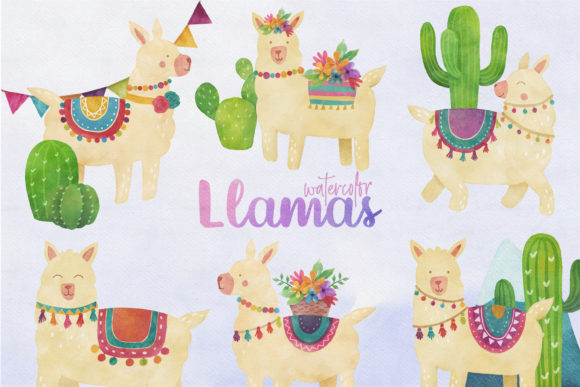
As a designer who has spent years translating digital art into tangible thread, I approach every new asset with a critical eye. When I first opened the file for Watercolor Fiesta Llama Clipart, my immediate reaction was to assess its potential beyond the screen. In the world of machine embroidery design, the gap between a pretty illustration and a stitchable reality can be wide. This piece, categorized under Illustrations, presents a vibrant, whimsical llama rendered in a soft, watercolor style. The mood is undeniably festive and playful, evoking the warmth of a summer fiesta or a cheerful nursery theme. However, the real test lies in how this aesthetic translates when stitched onto fabric.
The Visual Personality and Stitch Potential
The charm of Watercolor Fiesta Llama Clipart lies in its organic shapes and blended color gradients. Unlike rigid vector line art, this design mimics the fluidity of paint on paper. For an embroidery project, this is both a blessing and a challenge. The soft edges suggest that a heavy use of fill stitch with varied thread colors could replicate that painterly effect beautifully. If you are looking to create a tote bag design or a decorative pillow cover, the visual personality here screams "handmade" and "boutique." It feels less like a mass-produced logo and more like a curated piece of art.
However, we must consider the mechanics. Watercolor effects often rely on subtle transitions. In embroidery, achieving this requires careful management of stitch density and thread colors. If the underlying embroidery file relies too heavily on tiny, isolated pixels to create the gradient, the final result might look muddy or pixelated rather than artistic. A skilled digitizer would need to ensure that the transitions are smooth enough to hold up on a textured surface. For a sweatshirt embroidery project, where the fabric pile can hide minor imperfections, this design could work wonders. But on a crisp cotton shirt, those same details need to be crisp.
A Real-World Application: The Custom Tote Bag
Let's imagine a specific scenario. You run a small craft business on Etsy, and you want to launch a new line of personalized gifts for the upcoming holiday season. You decide to use Watercolor Fiesta Llama Clipart as the centerpiece for a canvas tote bag. This is a high-demand item, and customers expect durability and clarity. As I visualize the stitching process, I see the llama standing tall in the center, surrounded by festive elements.
The canvas texture of a tote bag is perfect for this design because it can absorb the slight variations in running stitch and fill stitch that mimic watercolor washes. The sturdy fabric provides a stable base, meaning you can likely get away with a slightly larger hoop size without worrying about puckering. Imagine a customer picking up this bag; the soft, colorful llama stands out against the natural beige canvas. It feels unique, not generic. This kind of finished product builds customer trust because it looks professionally executed yet retains a personal touch. It elevates the perceived value of your small shop product significantly compared to a standard heat-transfer print.
Navigating Fabric and Placement Challenges
While the tote bag is a safe bet, we must discuss where Watercolor Fiesta Llama Clipart might struggle. Embroidery is unforgiving on certain materials. If you attempt to stitch this design on thin, stretchy fabric like jersey knit for a t-shirt, the intricate details of the watercolor effect could distort. The tension required to pull the thread through might cause the fabric to pucker around the dense areas of the llama's body.
Furthermore, consider the placement on curved surfaces like caps or hats. The flowing lines of the watercolor style might lose their definition when forced onto a dome shape. Small details, such as the expression on the llama's face or the delicate brush strokes in the background, could become indistinguishable blobs from a distance. In these cases, you might need to simplify the design or opt for an applique design technique instead of full machine embroidery to maintain clarity.
Dark fabrics present another hurdle. The light, airy nature of watercolor illustrations relies on white or light backgrounds to pop. If you stitch this on a black sweatshirt without proper underlay or a light-colored backing, the design will disappear. You would need to use a significant amount of white thread for underlay, which increases cost and time. Always test the design in black and white mockups first to ensure the contrast works before committing to expensive thread and fabric.
Practical Notes for the Professional Designer
Before you integrate Watercolor Fiesta Llama Clipart into your workflow, there are several practical steps to take. First, always test the design on scrap fabric that matches your final project material. Check the stitch density closely. Is it too tight? Too loose? Adjustments in your embroidery software might be necessary to prevent thread breakage or gaps in the fill.
Second, pay attention to the thread colors. The original illustration likely uses hundreds of shades. You will need to select a limited palette that captures the essence without overwhelming the machine. Sometimes, using fewer colors with strategic shading creates a better result than trying to match every hue exactly.
Third, confirm the licensing terms. As a commercial embroidery provider or an Etsy seller, you must ensure you have the right to sell items made with this digital embroidery file. Some licenses allow for handmade goods but prohibit reselling the digital file itself. Never assume; check the documentation provided with the download.
Finally, consider the stabilizer. For a design with this much detail and coverage, a tear-away stabilizer might not be enough. A cut-away stabilizer will provide the necessary support to keep the stitches flat and the design crisp, especially if you plan to make items that will undergo frequent washing, like kitchen towels or aprons.
Final Verdict on Design Assets
Watercolor Fiesta Llama Clipart is a delightful addition to any designer's library, provided it is used with intention. It excels in projects where a soft, artistic vibe is desired, such as baby embroidery, nursery decor, and boutique home goods. It adds a layer of sophistication to personalized gifts that sets them apart from standard clip art. However, it requires a thoughtful approach to digitizing and material selection to avoid common pitfalls like distortion or lack of contrast.
If you are a creative entrepreneur looking to expand your catalog with unique, high-quality items, this design offers excellent potential. By respecting the limitations of the medium and testing thoroughly, you can transform this digital illustration into a stunning embroidered patch or garment decoration that customers will love. Remember, the best design assets are those that enhance your brand consistency while delivering a professional, durable result. With the right execution, this llama is ready to bring a fiesta of color to your next embroidery project.