Watercolor Loving Mice Read Book Review
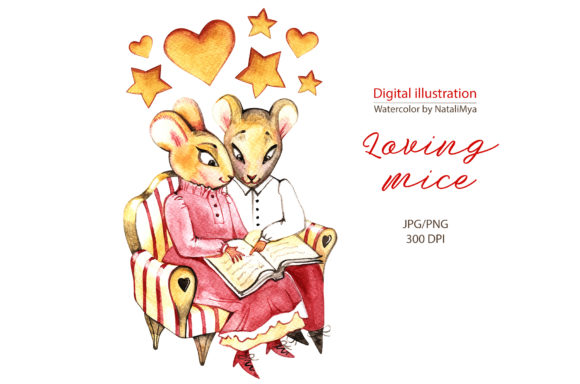
As a designer who has spent years translating digital files into tangible thread, I approach every new machine embroidery design with a mix of excitement and skepticism. The market is flooded with assets that look stunning on a screen but fall apart under the needle. When I first opened the file for Watercolor Loving Mice Read Book, my initial reaction was to appreciate the whimsical charm inherent in the Illustrations category. It features two adorable mice sharing a book, rendered in a soft, watercolor aesthetic. But does this visual appeal translate into a successful stitched project? Let's dig into how this design performs when moved from the monitor to the hoop.
The First Impression: Mood and Visual Personality
The immediate strength of Watercolor Loving Mice Read Book lies in its ability to evoke a sense of cozy nostalgia. The concept of mice reading together taps into a universal love for storytelling and quiet moments. In the realm of custom apparel or nursery decor, this kind of imagery is gold. The watercolor style suggests softness, blending, and organic shapes. However, as any experienced embroiderer knows, achieving a true watercolor effect with thread requires careful consideration of stitch density and thread colors. If the design relies heavily on gradients without sufficient stitch definition, it risks looking muddy on fabric. My assessment is that this design works best when the color palette is kept distinct yet harmonious, allowing the fill stitch to create texture rather than trying to mimic a paint wash too literally.
A Real-World Scenario: The Custom Tote Bag Project
To truly test the viability of this asset, imagine I am preparing a line of handmade products for an upcoming craft fair. Specifically, I am planning a collection of canvas tote bags for book lovers. I visualize placing Watercolor Loving Mice Read Book prominently on the front of a natural-colored cotton tote. This application makes perfect sense because the sturdy texture of the canvas provides a neutral backdrop that lets the colorful mice pop. Unlike a sweatshirt embroidery project where fabric stretch can distort delicate lines, a tote bag offers a stable surface. The design would likely serve as the focal point, turning a simple utility item into a conversation starter. Customers browsing an Etsy shop would immediately recognize the personalized gift potential, perhaps thinking of a teacher, a librarian, or a young reader. The visual weight of the mice and the book feels balanced enough to anchor the design without overwhelming the product.
Navigating Fabric and Hoop Challenges
While the tote bag scenario is ideal, we must be realistic about where this design might struggle. If you attempt to use Watercolor Loving Mice Read Book on thin fabrics like lightweight linen or silk, the high density required to render the watercolor details could cause puckering. Similarly, on stretchy materials like jersey knit for t-shirts, the intricate details of the mice's faces and the book pages might lose clarity if the fabric shifts during stitching. Always remember to use the appropriate stabilizer to support the design. For dark fabrics, the light tones typical of a watercolor style might get lost unless you utilize a white underlay or consider an applique design approach for the base layers, though that changes the aesthetic significantly. Additionally, if you are considering this for a curved surface like a cap, the layout of the mice might need adjustment to ensure they don't appear distorted around the brim.
Stitch Clarity and Commercial Viability
For small business owners and Etsy sellers, the clarity of the finished product is paramount to maintaining customer trust. A design that looks blurry or pixelated after stitching can damage your brand reputation. With Watercolor Loving Mice Read Book, the key is to inspect the small details. Are the eyes of the mice defined enough to remain cute at a smaller scale? Does the text on the book cover (if present) remain legible? If the design includes tiny lettering, it may not survive the translation to thread well. I always recommend testing the design on scrap fabric first, specifically checking the running stitch outlines and the satin stitch accents. Ensure that the hoop size you select accommodates the full width of the illustration without cropping the edges. A commercial embroidery project demands consistency; if one batch looks great and the next looks off due to tension issues or poor file optimization, you risk losing repeat customers.
Practical Designer Notes for Success
If you decide to incorporate Watercolor Loving Mice Read Book into your workflow, here are my top recommendations for ensuring a professional result:
- Test Before You Sell: Never skip the test run. Stitch out the design on a piece of fabric similar to your final product to check for thread breaks, color clashes, and density issues.
- Check Color Contrast: Watercolor styles often use pastel tones. On a white background, these might look washed out. Consider using a slightly off-white or cream fabric to enhance the depth of the thread colors.
- Verify Licensing: Before listing any finished product or selling the digital embroidery file itself, confirm the license terms. Some designs are for personal use only, while others allow for limited commercial sales. Misunderstanding this can lead to legal trouble for your craft business.
- Mockup Wisely: Create printable mockups to show potential buyers how the design looks in context. Use both light and dark fabric backgrounds in your previews so customers know exactly what to expect.
- Consider the Audience: This design is particularly well-suited for baby embroidery, holiday gifts, or items for children's rooms. It fits the "cozy" trend perfectly but might feel out of place on rugged workwear or formal attire.
Ultimately, Watercolor Loving Mice Read Book is a charming addition to a designer's library, provided it is used with intention. It excels in projects where softness and whimsy are desired, such as pillow covers, tea towels, and boutique merchandise. By respecting the limitations of the medium and choosing the right applications, you can turn this machine embroidery design into a standout feature of your handmade collection. Whether you are creating a one-off personalized gift or scaling up for a small shop launch, taking the time to evaluate the technical aspects will ensure your final creation is as delightful as the original illustration.