Watercolor Tropic Leaves Set: A Designer Review
As a designer who has spent years navigating the gap between digital mockups and physical stitched reality, I approach every new machine embroidery design with a mix of excitement and skepticism. The latest addition to my library is the Watercolor Tropic Leaves Set, categorized under Illustrations. At first glance, it promises that lush, organic aesthetic that is currently dominating social media feeds for handmade goods. But does it hold up when you actually sit down at the machine? Let's dig into how this set performs in real-world scenarios, from boutique branding to personalized gifts.
The First Impression: Mood and Visual Personality
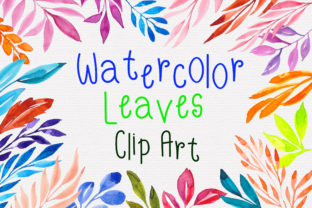
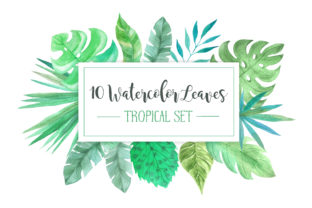
Opening the files for the Watercolor Tropic Leaves Set, the immediate feeling is one of softness and fluidity. Unlike rigid, geometric botanicals, these designs capture the bleeding edges and gradient transitions typical of watercolor painting. For an Etsy seller or a small shop owner looking to elevate their brand, this visual personality is gold. It suggests a connection to nature without feeling cliché. The shapes are organic, flowing, and slightly imperfect, which is exactly what makes them feel authentic rather than mass-produced.
However, translating a "watercolor" look into thread requires careful planning. In a digital file, gradients are smooth. In a finished product, they rely on your ability to manage color blending through stitch direction and thread selection. This set feels like it was designed specifically for projects where texture and mood matter more than sharp, photographic detail. It screams "artisanal," making it a strong contender for high-end custom apparel or boutique merchandise.
Testing the Waters: A Real-World Project Scenario
To truly evaluate the utility of the Watercolor Tropic Leaves Set, I imagined a specific project: creating a limited-run collection of linen tote bags for a local eco-friendly gift shop. The goal was to offer a tote bag design that felt fresh, summery, and durable enough for daily use. Linen is a fantastic fabric for this style because its natural weave interacts beautifully with the loose, painterly style of the leaves.
I loaded the largest leaf motif into my hoop, using a medium-weight tear-away stabilizer to support the fabric. As the machine began stitching, I watched closely. The fill stitch patterns used in this design are clever; they aren't too dense, which prevents the heavy puckering often seen in large floral motifs on woven fabrics. Instead, the stitches create a textured surface that mimics brush strokes. When I finished the run and removed the stabilizer, the result was surprisingly crisp yet soft. The thread colors I selected—a blend of sage, teal, and burnt orange—blended seamlessly, achieving that coveted watercolor fade effect without needing excessive thread changes.
This scenario highlights why this embroidery file is so valuable for a craft business. It transforms a simple canvas bag into a statement piece that customers would happily pay a premium for. The design doesn't just sit on the fabric; it becomes part of the texture.
Navigating Fabric Challenges and Limitations
While the Watercolor Tropic Leaves Set excels on stable fabrics like cotton, linen, and denim, there are situations where you need to exercise caution. If you are planning to use this for sweatshirt embroidery or items made from stretchy knits, the density of the fill stitches could cause the fabric to pucker or distort over time. Stretchy materials require a different approach to stabilization, perhaps a cut-away stabilizer, to maintain the integrity of the design after washing.
Another critical consideration is the background color. Watercolor effects often rely on the negative space of the fabric to create depth. If you attempt to stitch these designs on very dark fabrics, the light, airy feel of the illustration can get lost. You might need to add a white underlay or consider an applique design technique where the leaves are sewn onto a contrasting fabric base. Without this adjustment, the delicate details might not pop, reducing the overall impact of the handmade product.
Furthermore, be mindful of curved surfaces like caps. While the organic shapes of the leaves are forgiving, tight curves on a baseball cap can sometimes distort the flow of the watercolor effect. Always test the design on a similar shape before committing to a full production run. The hoop size also matters; if you try to force a large leaf into a tiny 4x4 hoop, you risk losing the essence of the design or having to split it in awkward places.
Practical Notes for Designers and Makers
If you are considering adding the Watercolor Tropic Leaves Set to your portfolio of design assets, here are a few practical steps to ensure success:
- Test on Scrap Fabric First: Never skip this step. Stitch out a sample on the exact fabric you plan to use. Check for puckering, tension issues, and color blending. This is especially important for custom apparel where client expectations are high.
- Review Stitch Density: Even though the design looks light, check the stitch density settings. If you are working with thin fabrics, you may need to reduce the density slightly to prevent stiffness.
- Check Thread Contrast: The magic of the watercolor look depends on the interplay of colors. Test your thread colors against your fabric in both natural and artificial light to ensure the gradient effect reads correctly.
- Inspect Small Details: Zoom in on the smaller leaves in the set. Ensure that the fine lines and tips of the leaves are stitched clearly. Sometimes, intricate details can get lost if the needle deflection isn't accounted for.
- Verify Licensing: Before selling any finished product or digital preview, confirm the licensing terms. Are you allowed to sell the physical item? Can you use the digital embroidery file for commercial embroidery services? Always clarify this to protect your business.
Impact on Brand Value and Customer Trust
In the competitive world of handmade goods, presentation is everything. Using a high-quality design like the Watercolor Tropic Leaves Set signals professionalism. It shows that you care about the aesthetic details and the quality of the embroidery project. Customers buying a personalized gift or a unique piece of decor want something that feels special, not generic. This design offers that uniqueness.
When used correctly, these illustrations can significantly boost the perceived value of your products. A simple pillow cover becomes a piece of art; a basic apron becomes a boutique item. This kind of visual appeal builds customer trust and encourages repeat business. It helps establish a consistent brand identity, whether you are selling holiday embroidery items or everyday essentials.
Ultimately, the Watercolor Tropic Leaves Set is a versatile tool for the modern maker. It bridges the gap between digital art and tactile craft, offering a fresh take on botanical themes. Whether you are a hobbyist looking to spice up your next baby embroidery project or a seasoned entrepreneur scaling your small shop product line, this set provides the creative foundation you need. Just remember to respect the limitations of your materials, test thoroughly, and let the natural beauty of the design shine through your craftsmanship.