Watercolor Dandelion Beauty: A Designer Review
As a designer who has spent years translating digital art into tangible thread, I approach every new machine embroidery design with a mix of excitement and skepticism. The gap between a beautiful pixelated image on a screen and the final stitched result can be vast. When I first opened the file for Watercolor Dandelion Beauty, I was immediately struck by its ethereal quality. It belongs to the Illustrations category, but it feels less like a standard clipart asset and more like a piece of fine art waiting to be interpreted by a sewing machine. Before committing this to any client project or small shop product line, I needed to understand how it behaves under real-world conditions.
The Mood and Visual Personality
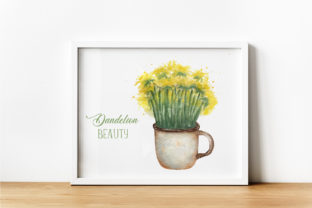
The first impression of Watercolor Dandelion Beauty is one of softness and nostalgia. Unlike rigid, geometric floral patterns that dominate many commercial catalogs, this design captures the fleeting moment of a dandelion seed head dispersing in the wind. The visual personality is gentle, making it an ideal candidate for projects requiring a touch of whimsy or sentimental value. The layout suggests movement, with delicate tendrils and floating seeds that demand careful attention during the digitizing process. If you are looking for a bold, high-impact statement piece for heavy denim jackets, this might not be your first choice. However, for custom apparel meant to convey grace and lightness, it is exceptional.
When evaluating the shape and detail level, I noticed that the "watercolor" effect relies heavily on color blending rather than hard outlines. This means the success of the finished product depends entirely on how well the fill stitch and satin stitch work together to mimic paint washes. In a handmade product context, this design elevates the perceived value instantly. It transforms a simple tote bag or pillow cover from a generic item into a curated boutique piece.
A Real-World Scenario: The Custom Tote Bag Project
To truly test Watercolor Dandelion Beauty, I imagined a specific use case: preparing a limited-run collection of canvas tote bags for a local craft fair. My goal was to create a tote bag design that would appeal to eco-conscious buyers and gift shoppers alike. I loaded the embroidery file into my software and visualized it on a natural, unbleached cotton canvas. The contrast here is crucial. On a dark background, the lighter tones of the watercolor effect might get lost without significant adjustments to the thread colors. On a light canvas, however, the design pops with a dreamy, organic feel.
In this scenario, the placement matters immensely. Centering the dandelion on the front of the bag creates a balanced, professional look suitable for branding a small shop. Alternatively, placing it near the bottom corner adds a subtle, artistic flair that doesn't overwhelm the utility of the bag. For an Etsy seller or creative entrepreneur, this versatility is key. Customers often react positively to designs that feel personal and unique. Watercolor Dandelion Beauty offers exactly that—it feels like a personalized gift even when sold as a ready-made item.
Navigating Fabric Challenges and Stitch Density
While the design is beautiful, practical application requires caution. One area where Watercolor Dandelion Beauty demands respect is stitch density. Watercolor effects often require layers of semi-transparent stitches to achieve depth. If the density is too high, especially on stretchy fabrics like jersey knit for a sweatshirt embroidery project, the fabric may pucker or distort. Conversely, if the density is too low, the "paint" effect will look patchy and unfinished.
I strongly advise testing this design on scrap fabric first. Check how the threads interact with different fabric texture options. On textured fabrics like linen or tweed, the intricate details of the dandelion seeds might get swallowed by the weave. In such cases, you may need to increase the size of the hoop size to allow for better tension control or add a stronger stabilizer to support the needle penetration. For thin fabrics, such as those used in baby clothes or tea towels, a cut-away stabilizer is non-negotiable to prevent holes and ensure the longevity of the finished product.
Furthermore, consider the washing durability. Items like kitchen towels or aprons undergo frequent laundering. The delicate nature of the watercolor style means that loose threads or weak anchor points could unravel over time. Inspect the running stitch areas closely in your software before stitching. Ensure that the digitizer has secured the ends properly. If you plan to sell these as commercial embroidery items, your reputation hinges on the quality holding up after multiple wash cycles.
Strategic Uses for Small Business and Gifts
For the craft business owner, Watercolor Dandelion Beauty opens doors to several lucrative niches. It is perfect for holiday embroidery collections, particularly for spring-themed gifts or Mother's Day items. Imagine a baby embroidery set featuring this design on a onesie or a receiving blanket; the soft aesthetic aligns perfectly with nursery decor trends. It also works beautifully as an embroidered patch for hats or backpacks, adding a bohemian touch to streetwear.
When creating digital product previews or printable mockups, the design's artistic nature allows for high-quality imagery that attracts clicks. Buyers are drawn to visuals that evoke emotion. By showcasing Watercolor Dandelion Beauty on high-end mockups—such as a linen pillow or a structured cap—you signal professionalism and attention to detail. This builds customer trust and increases the likelihood of a sale. Whether you are selling physical goods or design assets to other makers, the clarity and charm of this illustration are major selling points.
Practical Notes for the Designer
- Test First: Always run a test on scrap fabric to verify stitch density and thread flow.
- Color Contrast: Experiment with different thread colors to ensure the watercolor effect remains visible on various backgrounds.
- Stabilization: Use appropriate stabilizer for the fabric weight, especially for stretchy or thin materials.
- Licensing: Confirm the licensing terms before selling finished items or distributing the digital embroidery file commercially.
- Hoop Size: Verify that the design fits within your intended hoop size without cropping essential details.
- Mockups: Create both black and white and color mockups to visualize the design on light and dark fabrics.
Ultimately, Watercolor Dandelion Beauty is a versatile asset that rewards careful execution. It is not just a pattern; it is a mood setter. For the experienced designer willing to tweak settings and choose the right materials, it delivers a finished product that stands out in a crowded market. Whether for a personalized gift or a small shop product, this design brings a touch of nature's magic to your embroidery projects.